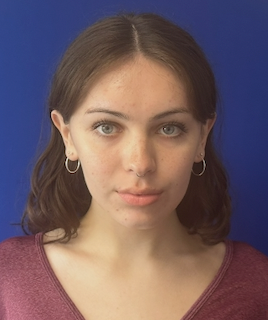
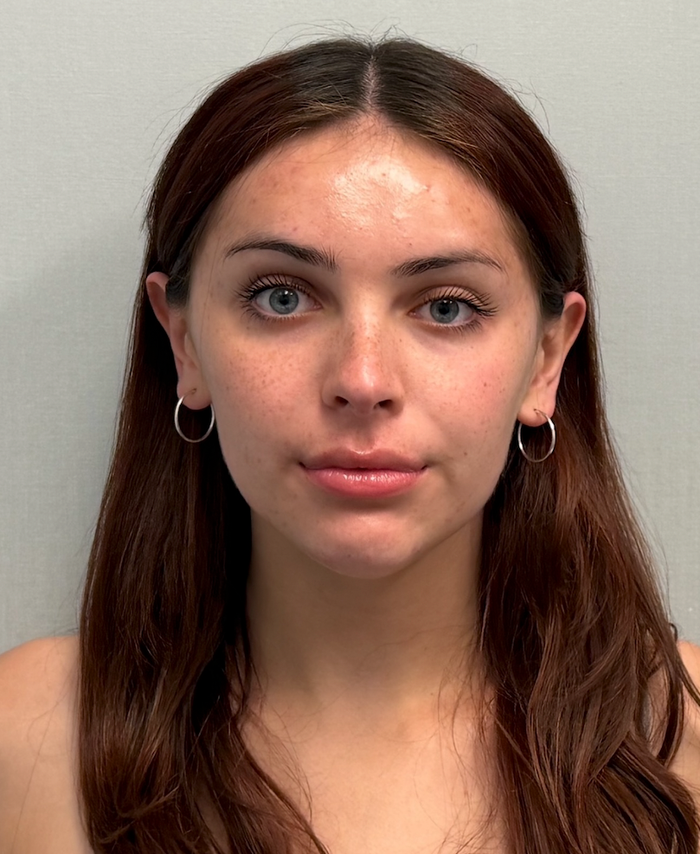
Before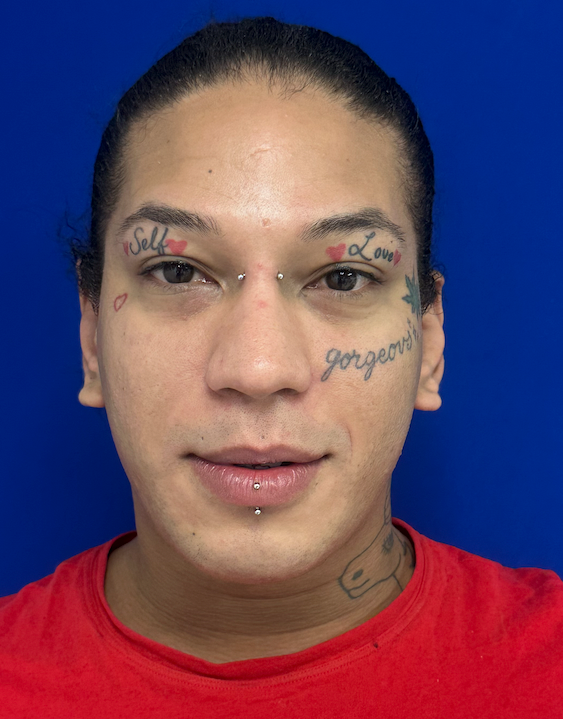
After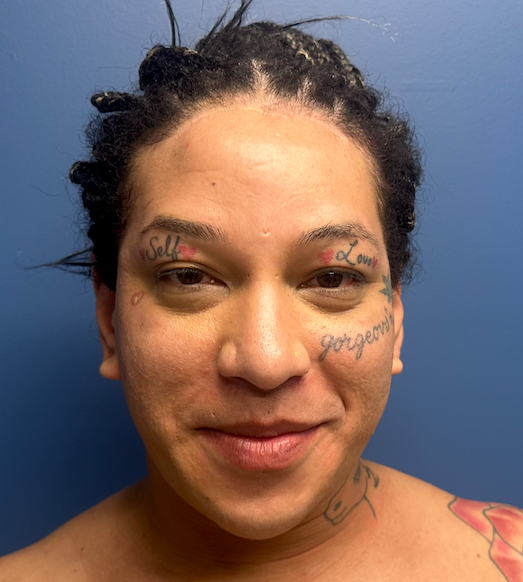
Case 1
Rhinoplasty with facial feminization surgery
20s Transgender Female - 3 months postoperative result for facial feminization surgery. 1 month postoperative result upper lip lift
View
Nose surgery · New York and New Jersey
Rhinoplasty is surgery that reshapes the nose. It can change how the nose looks, improve breathing through it, or both. Dr. Steven Ovadia is a board certified plastic surgeon with fellowship training in craniofacial surgery, with offices in New York City and New Jersey.
Overview
Rhinoplasty is the medical name for surgery that reshapes the nose. The nose is built on a framework of bone in its upper part and cartilage in its lower part, with skin over the top. Rhinoplasty changes that framework, and the skin settles over the new shape.
People have rhinoplasty for different reasons. Some want to change the way the nose looks. Some cannot breathe well through it. Some have a nose that was changed by an injury, by a condition they were born with, or by earlier surgery. Many have more than one of these reasons, and one operation can often treat them together.
The nose sits at the center of the face, so small changes read clearly. The goal is a nose that looks natural, is in proportion with the rest of your face, and works well. The surgical plan is built around your nose and what you want to change.
Tell Dr. Ovadia about any earlier surgery or injury to your nose, trouble breathing through it, allergies, and nasal sprays you use. These affect how rhinoplasty is planned.
Shape
A nose is not changed all at once. Each part is looked at on its own and in relation to the others: the bridge, the bones under it, the tip, and the nostrils. Some people need a change to one part. Others need several.
Changing one part affects how the others look. Lowering a hump can make a tip look more prominent, and raising a tip changes how long the nose appears. That is why the whole nose is planned together, even when only one part bothers you.
The diagram shows the idea. It is not a prediction of an individual result.
Part by part
A hump is bone in its upper part and cartilage in its lower part. It is lowered by carefully reducing both. A bridge that is low or scooped can be built up, usually with your own cartilage.
When the upper part of the nose is wide or crooked, or after a hump has been lowered, the nasal bones are cut in a precise, controlled way and moved inward. This narrows and straightens the upper nose.
The tip gets its shape from cartilage. It can be made narrower or less round, raised or lowered, or brought closer to the face. This is done by reshaping that cartilage with stitches, conservative trimming, and small grafts for support.
Wide or flared nostrils can be narrowed by removing a small wedge of skin where the nostril meets the cheek. The scar sits in that natural crease.
A nose can be crooked because of the bones, the cartilage, the septum inside, or all three. Straightening it usually means treating each part that is off-center.
The nose is seen together with the forehead, the lips, and the chin. A small chin can make a nose look larger than it is, so chin surgery is sometimes part of the same surgical plan.
The operation
There are two ways to reach the framework of the nose. They differ in where the incisions are placed. Both are in use, and neither is better for every nose.
Endonasal
All of the incisions are inside the nostrils, so there is no scar on the outside of the nose. This approach works well when the changes are mainly to the bridge.
External
The incisions inside the nostrils are joined by one small incision across the columella, the strip of skin between the nostrils. The skin can then be lifted so the framework of the nose is seen and shaped directly. It is often used for work on the tip, for crooked noses, and for revision surgery. The scar is small and usually fades until it is hard to find.
The diagrams show the nose from below, with the tip at the top.
Which approach is used depends on what needs to change. Dr. Ovadia goes over the approach for your nose at your consultation.
How it is done
Before surgery, Dr. Ovadia examines the outside and the inside of your nose, takes photographs, and goes over the changes you want and what is realistic.
Through the incisions, the skin is lifted off the bone and cartilage underneath. That framework is reduced, straightened, or reshaped according to the surgical plan.
When part of the nose needs support or building up, a graft of cartilage is used. It most often comes from the septum, inside the nose. Cartilage from the ear, or rarely the rib, is used when more is needed.
The skin is laid back over the new framework and the incisions are closed. A splint on the outside of the nose protects it while it begins to heal.
Every surgery has risks. For rhinoplasty these include bleeding, infection, difficulty breathing through the nose, numbness or a change in the feeling of the skin, scarring, differences between the two sides, a result that is not what you hoped for, the need for revision surgery, and, rarely, a hole in the septum. Dr. Ovadia goes over them with you at your consultation.
Function
The nose is the start of the airway. When its structure narrows the passage, one or both sides feel blocked, and it is often worse at night or with exercise. Surgery that reshapes the nose to improve breathing is called functional rhinoplasty.
Three structures cause most of the blockage that surgery can correct. They are often treated together, and they can be treated at the same operation as changes to the look of the nose.
Treated with septoplasty
The septum is the wall of cartilage and bone that divides the inside of the nose into two sides. When it is bent to one side, called a deviated septum, it narrows the airway on that side. Septoplasty straightens it. On its own, septoplasty does not change the outside shape of the nose.
Treated with cartilage grafts
The nasal valves are the narrowest part of the airway, just inside each nostril. When the side wall of the nose is narrow or weak, it can pinch inward as you breathe in. Small grafts of cartilage widen it and hold it open.
Treated with turbinate reduction
The turbinates are ridges along the inside of the nose that warm and moisten the air you breathe. When they are enlarged they block airflow, and they can be reduced at the same operation.
Not every blocked nose needs surgery. Allergies and sinus problems are treated with medication first. At your consultation, Dr. Ovadia examines the inside of your nose to work out what is blocking it. When the cause is structural, surgery to correct it may be covered by insurance. More about insurance coverage.
Second operations
Revision rhinoplasty is surgery on a nose that has been operated on before, to improve its shape, its breathing, or both. It is also called secondary rhinoplasty.
A revision is more complex than a first operation. There is scarring from the earlier surgery, and the cartilage of the septum, which grafts usually come from, may already have been used. Cartilage from the ear or the rib is needed more often.
Timing matters. Swelling in the nose can take up to a year to settle, so a revision is typically not planned until at least a year after the earlier surgery. Dr. Ovadia sees patients whose first operation was done elsewhere. If you can get the records of that surgery, bring them to your consultation.
Other reasons for nose surgery
A broken nose that healed crooked can change both the look of the nose and the breathing. Surgery to correct it is planned in the same way: straightening the bones, the septum, or both.
People born with a cleft lip often have a difference in the shape of the nose on that side, and it can affect breathing. Rhinoplasty to correct it is part of cleft care. Dr. Ovadia is fellowship-trained in craniofacial surgery.
Craniofacial surgeryRhinoplasty is often part of a facial feminization surgical plan, where the nose is refined to be in proportion with the new forehead and brow.
Facial feminization surgeryReal results
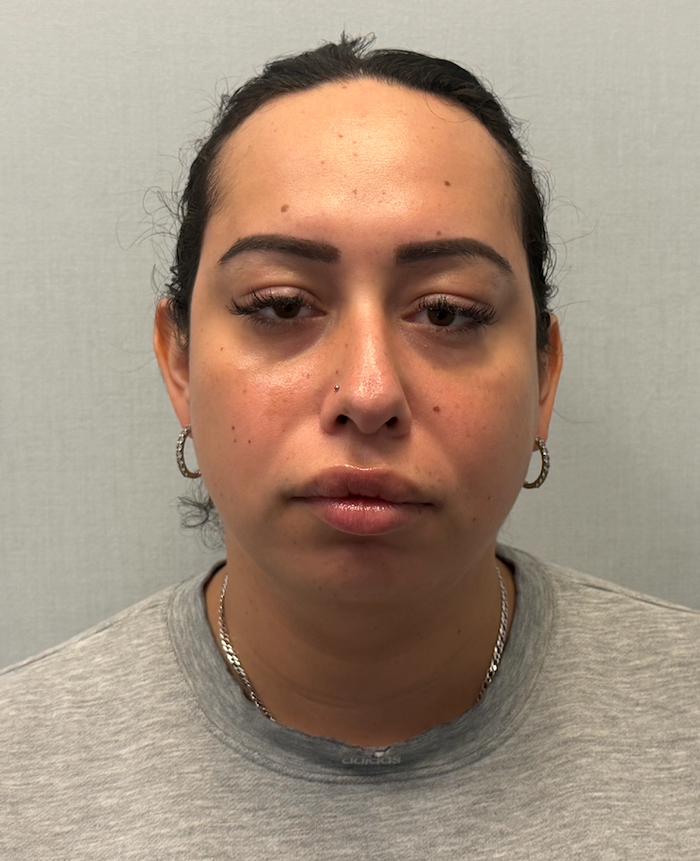
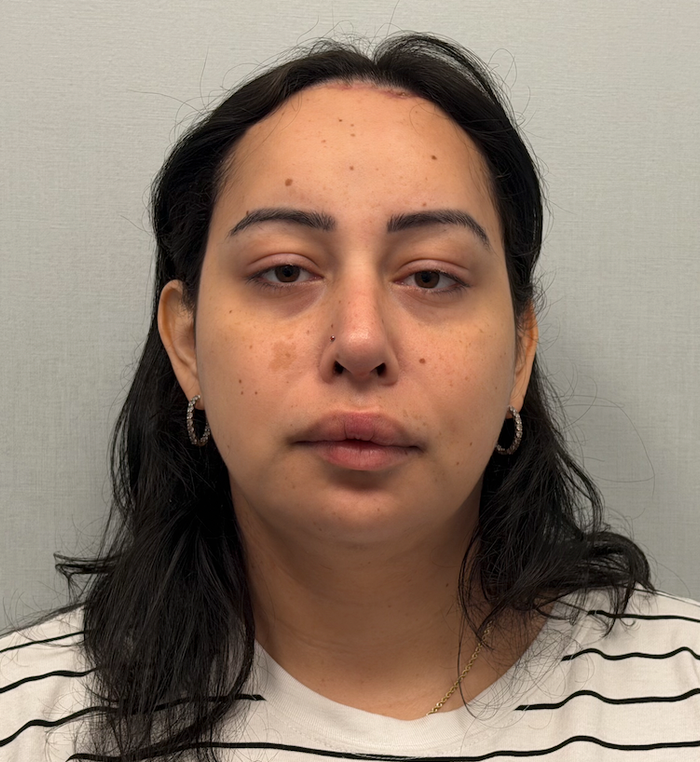
These are Dr. Ovadia's own patients. Each case notes how far out from surgery the “after” photo was taken, because swelling in the nose takes time to settle.
Case 1
20s Transgender Female - 3 months postoperative result for facial feminization surgery. 1 month postoperative result upper lip lift
View
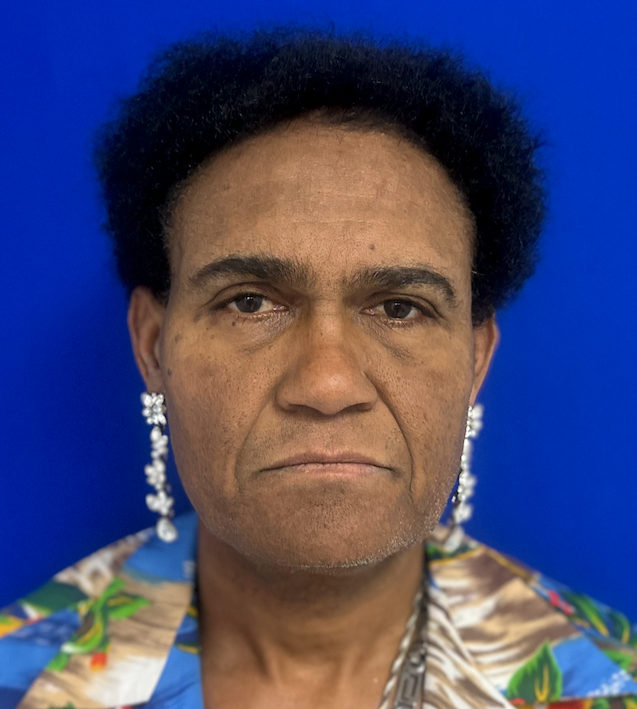
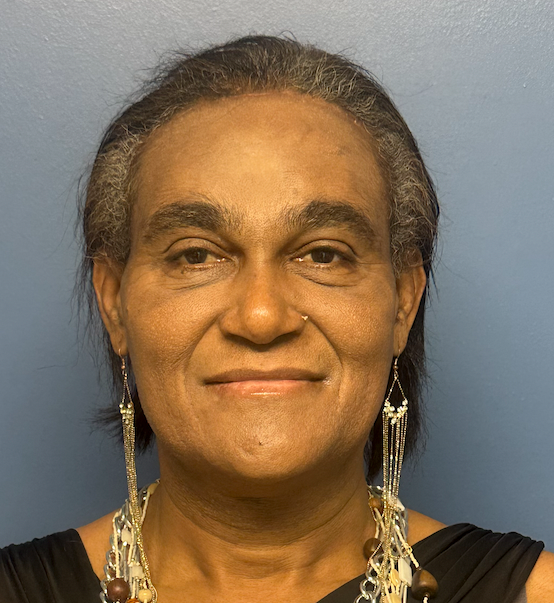
Case 2
50s Transgender Female - 1 month postoperative result for facial feminization surgery.
View
Case 3
20s Transgender Female - 1 year postoperative result for facial feminization surgery.
View
Case 4
20s Transgender Female - 6 weeks post-operative result for facial feminization surgery
View
Actual patients of Dr. Steven Ovadia. Individual results vary. More cases are in the main gallery.
Recovery
The nose is swollen, and there is often bruising around the eyes, mostly when the nasal bones have been moved. Bruising usually fades within two to three weeks.
A splint on the outside of the nose protects it during the first days. It typically comes off after about a week. Soft splints are sometimes placed inside the nose as well.
The inside of the nose swells too, so it feels blocked at first and you breathe through your mouth more than usual. This clears as the swelling inside goes down.
Sleeping with the head of the bed elevated is important. It helps the swelling settle.
For the first weeks you do not blow your nose, rest glasses on the bridge, or do strenuous exercise, and you keep the nose out of the sun. Dr. Ovadia tells you when each of these is safe again.
The skin of the nose, especially the tip, can feel numb or stiff after surgery. Sensation improves over time.
Normal swelling comes on slowly. A rapid increase in swelling is something to watch for, and it should be brought to your physician's attention right away. The same is true of heavy bleeding from the nose or severe pain.
How long the swelling takes
About half of the swelling has settled.
Most of the rest has settled, and the shape of the bridge is clear.
Swelling in the nose can take up to a year to settle fully. The tip is the last part to refine.
Swelling times shown above are a general guide. Individual times may vary.
A general timeline
This is a general guide. Everyone heals differently. During your recovery, Dr. Ovadia will review your timeline with you.
Cost
Rhinoplasty done to change appearance is cosmetic and is not covered by insurance. The cost depends on what needs to change, whether cartilage grafts are needed, whether it is a first operation or a revision, and whether it is done together with other surgery. You receive a quote after your consultation.
Surgery to improve breathing, or to correct a deformity from an injury or a cleft lip, may be covered. Insurance plans ask for proof of the problem before surgery.
When breathing and appearance are treated at the same operation, the part done for appearance is unlikely to be covered. Every plan sets its own criteria. Coverage is not guaranteed.
If you have questions about possible insurance coverage for surgery, call or email us and we will go over it with you.
Your surgeon
Dr. Ovadia is board certified by the American Board of Plastic Surgery. After his plastic surgery training he completed two fellowships: gender-affirming surgery at Johns Hopkins, and craniofacial and pediatric plastic surgery at UT Austin / Dell Children's Hospital.
Craniofacial surgery is surgery of the bones and soft structures of the face and skull, and the nose is at the center of them. He performs rhinoplasty on its own and together with other facial surgery and facial feminization surgery. He sees patients in New York City and in Jersey City and Millburn, New Jersey.
Questions
In a closed rhinoplasty, all of the incisions are inside the nostrils. In an open rhinoplasty, those incisions are joined by one small incision across the strip of skin between the nostrils, so the skin can be lifted and the framework of the nose shaped directly. Which one is used depends on what needs to change.
With a closed rhinoplasty there is no scar on the outside of the nose. With an open rhinoplasty there is one small scar across the strip of skin between the nostrils. It usually fades until it is hard to find. When the nostrils are narrowed, those scars sit in the crease where the nostril meets the cheek.
Not in the everyday sense. When the upper part of the nose needs to be narrowed or straightened, the nasal bones are cut in a precise, controlled way and moved. Not every rhinoplasty needs this.
Yes, when the blockage comes from the structure of the nose. A deviated septum can be straightened, narrow or collapsing nasal valves can be supported with cartilage grafts, and enlarged turbinates can be reduced. This can be done on its own or at the same operation as changes to appearance.
Septoplasty straightens the septum, the wall that divides the inside of the nose, to improve breathing. On its own it does not change the outside shape of the nose. Rhinoplasty reshapes the nose itself. When both are done at the same operation it is often called septorhinoplasty.
As a general guide, about half of the swelling settles by 6 weeks and most of the rest by 6 months. Swelling in the nose can take up to a year to settle fully, and the tip is the last part to refine. Individual times vary.
The splint on the outside of the nose typically comes off after about a week. Any stitches in the skin come out at around the same visit.
Not right away. Glasses rest on the part of the nose that is healing, so they are kept off the bridge for a period after surgery. Dr. Ovadia tells you when it is safe, based on how you are healing.
Rhinoplasty done for appearance waits until the nose has finished growing, which happens during the teenage years and varies from person to person. Surgery after an injury or for a breathing problem is planned case by case.
Revision rhinoplasty is surgery on a nose that has been operated on before. Because swelling in the nose can take up to a year to settle, a revision is typically not planned until at least a year after the earlier surgery.
The changes to the bone and cartilage are permanent. The nose keeps changing slowly with age, like the rest of the face.
Yes. It is sometimes done together with chin surgery, eyelid surgery, or as part of facial feminization surgery. A lip lift is typically a separate stage, 3 months after rhinoplasty. Whether it is safe to combine procedures depends on your health and how long the operation would be.
Rhinoplasty done to change appearance is not covered. Surgery to improve breathing, or to correct a deformity from an injury or a cleft lip, may be covered when your plan's criteria are met. Coverage is not guaranteed. When appearance and breathing are treated at the same operation, the part done for appearance is unlikely to be covered.
Yes. Phone and video consultations are available, in addition to in-person visits in New York City, Jersey City, and Millburn, New Jersey.
Next step
Dr. Ovadia will examine the outside and the inside of your nose, go over what you are hoping to change, and explain which approach is the best fit for you.
225 Broadway, Suite 3100, New York, NY
377 Jersey Ave, Suite 440, Jersey City, NJ
90 Millburn Ave, Suite 206, Millburn, NJ
Phone and video consultations available · info@ovadiaps.com