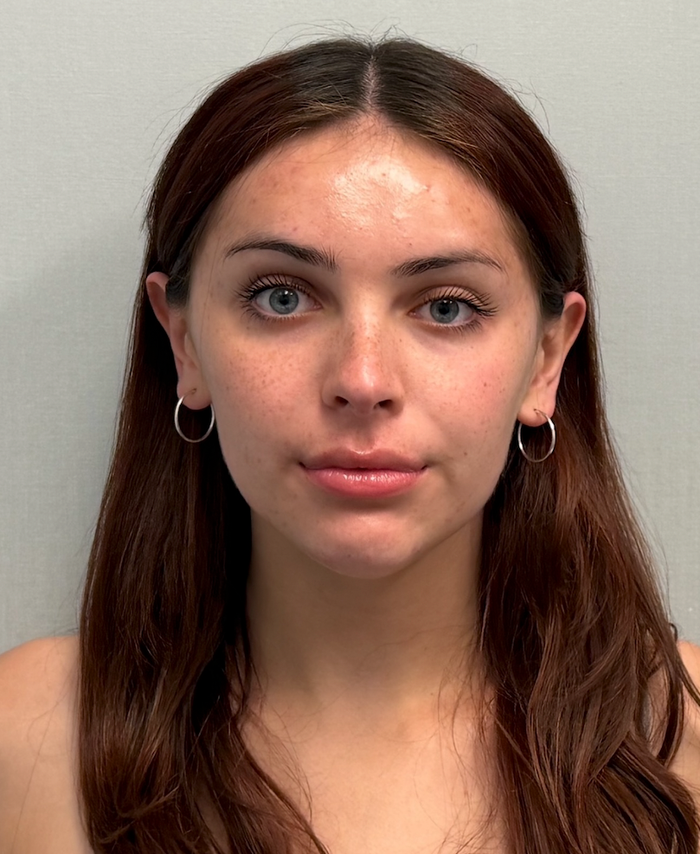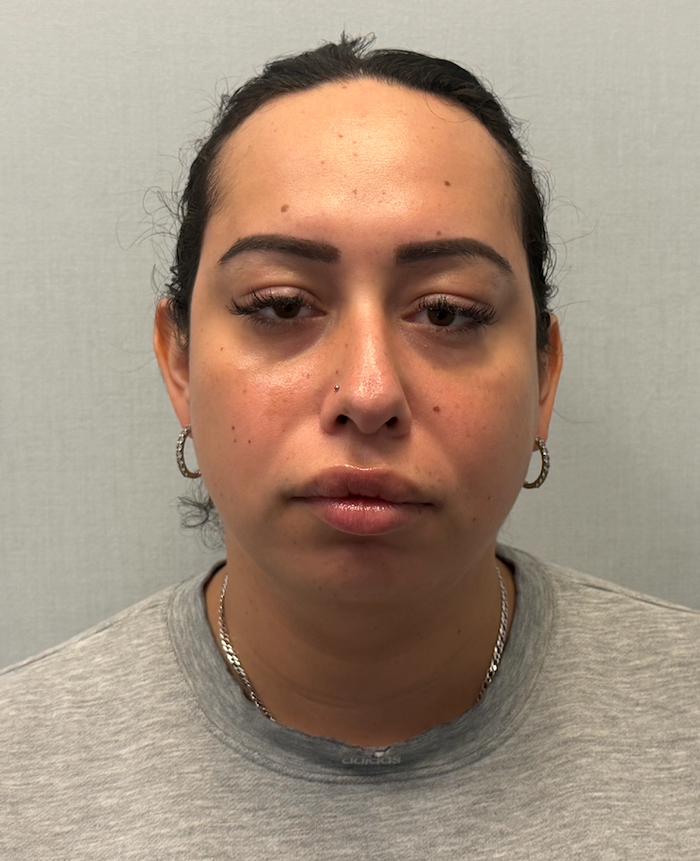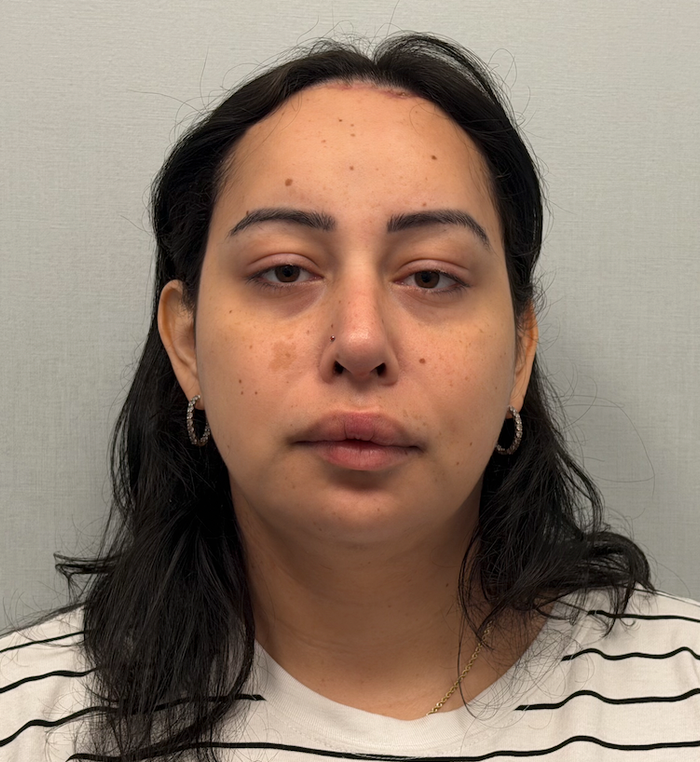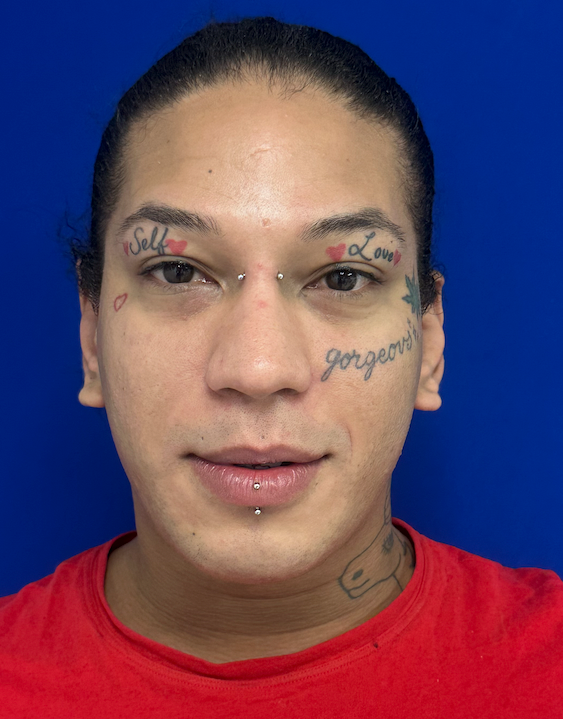
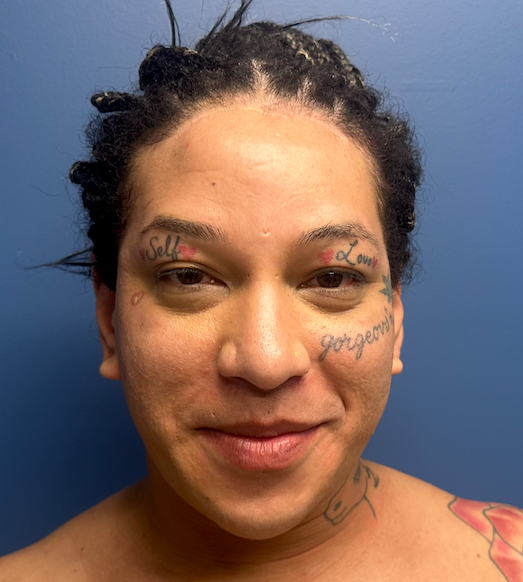

Case 1
Facial feminization surgery
20s Transgender Female - 3 months postoperative result for facial feminization surgery. 1 month postoperative result upper lip lift
View
Gender-affirming surgery · New York and New Jersey
Facial feminization is surgery on the bone and soft tissue of the face. Dr. Steven Ovadia is fellowship-trained in both craniofacial surgery and gender-affirming surgery, the two fields this operation draws on.
Overview
Facial feminization surgery (FFS) is a group of procedures that reshape the bone and soft tissue of the face. The areas that change the most are the forehead and brow bone, the nose, and the jaw and chin.
No two surgical plans are the same. Some patients have the full set of procedures and others have only two or three. At your consultation, Dr. Ovadia examines your facial structure, talks through what you want to change, and builds the plan around you.
Procedures
The brow bone is often the most defining area of the face. In a frontal sinus setback, the bone over the sinus is removed, reshaped, and set back into a flatter position. The rims of the eye sockets are contoured to open up the eyes, and the brows can be lifted in the same operation.
When the forehead is approached through an incision along the hairline, the hairline can be brought forward and reshaped at the same time as the brow bone work.
Rhinoplasty refines the size and shape of the nose so it is in proportion with the new forehead and brow profile.
Your own fat is transferred to the cheeks and other areas of the face to add soft, rounded volume.
A lip lift shortens the distance between the nose and the upper lip and shows more of the lip. When rhinoplasty is part of your plan, the lip lift is typically a separate stage, 3 months afterward.
The angles and lower border of the jaw are contoured to narrow and soften the lower face. Genioplasty reshapes the chin bone to change its width, height, or projection.
A tracheal shave reduces the prominence of the Adam's apple by contouring the cartilage at the front of the neck. It may be part of your surgical plan when it is something you and Dr. Ovadia have discussed.
Some patients benefit from a facelift after the bone work has healed. When it is needed, it is typically a separate stage, 4 to 6 months after facial feminization surgery.
Incisions
Forehead and brow bone surgery is done through an incision at the top of the head. Where that incision sits is one of the first decisions in planning, because it determines where the scar is and whether the hairline can be changed.
Along the hairline
Pretrichial means "in front of the hair." Across the front of the forehead, the incision runs along the hairline, right where the hair begins. At the temples it moves back behind the hairline, into the hair. Because the central part sits at the hairline itself, the hairline can be lowered or reshaped during the same operation.
Behind the hairline
The incision runs across the top of the scalp, behind the hairline, where it is hidden within the hair. The hairline stays where it is.
Which incision is right for you depends on the height and shape of your hairline and on your goals. Dr. Ovadia goes over both options with you at your consultation.
Real results
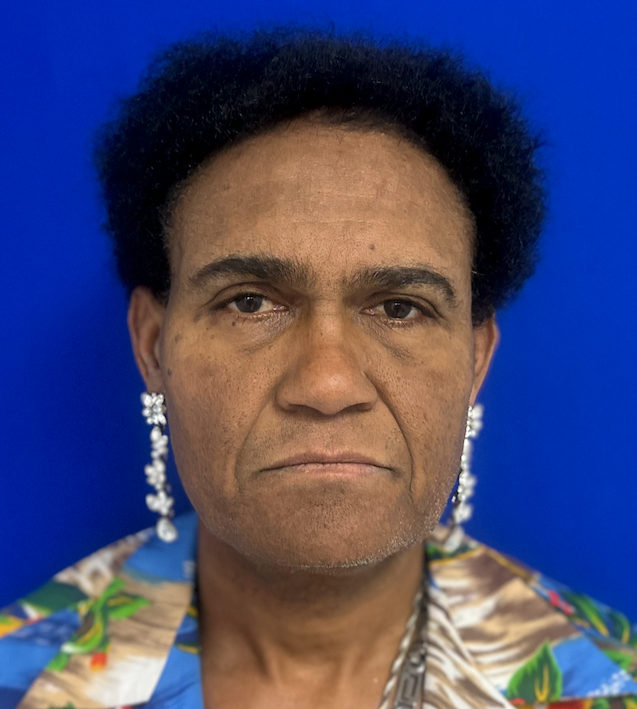
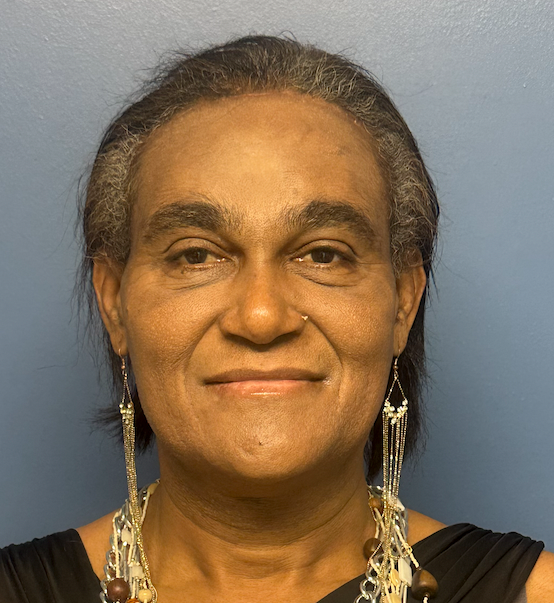
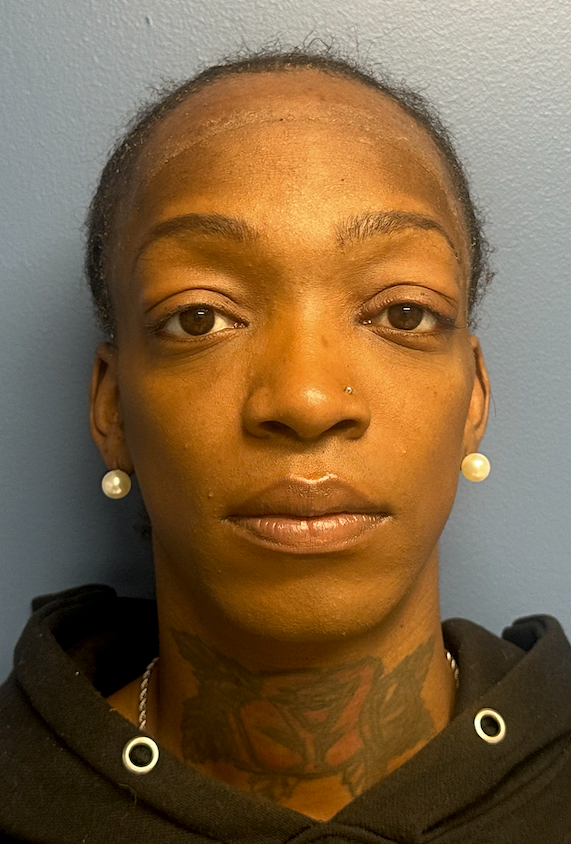
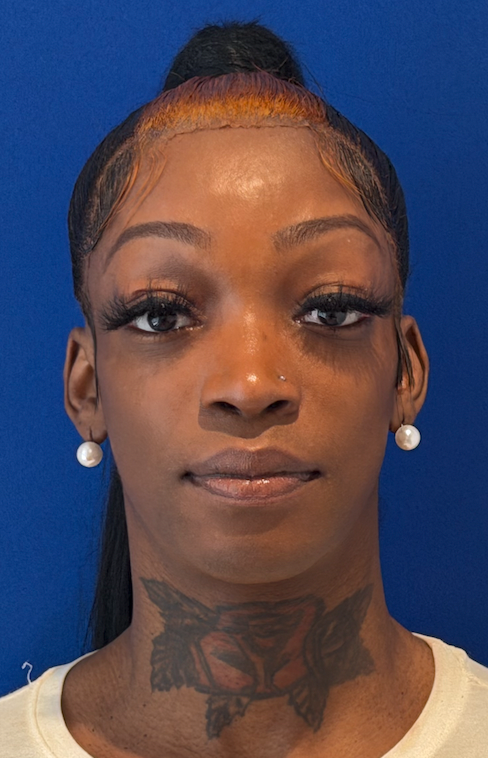
These are Dr. Ovadia's own patients. Use the view buttons to see a case from different angles. Each case notes how far out from surgery the "after" photo was taken, because swelling keeps settling for months.


Case 1
20s Transgender Female - 3 months postoperative result for facial feminization surgery. 1 month postoperative result upper lip lift
View


Case 2
50s Transgender Female - 1 month postoperative result for facial feminization surgery.
View


Case 3
30s Transgender Female - 2.5 month postoperative result for facial feminization surgery
View


Case 4
20s Transgender Female - 1 year postoperative result for facial feminization surgery.
View


Case 5
20s Transgender Female - 6 weeks post-operative result for facial feminization surgery
View
Actual patients of Dr. Steven Ovadia. Individual results vary.
Recovery
Every patient swells after facial feminization surgery. As a general guide, about half of the swelling settles by 6 weeks and the rest by 6 months, though swelling in the nose can take up to a year. Everyone is different, and these numbers are only a rough guide. This is why each before-and-after on this page notes how far along the patient was when the photo was taken.
Normal swelling comes on slowly. A rapid increase in swelling is something to watch for, and it should be brought to your physician's attention right away.
A facial compression garment is an important part of recovery. It helps control swelling and supports the tissues while they heal. Dr. Ovadia's team will go over how and when to wear it.
Keeping the head of the bed elevated is important. It helps limit swelling, especially in the first part of recovery.
Temporary numbness is common after surgery. It comes from nerves being stretched during the operation, and it improves over time.
We typically use some sutures that come out after 5 to 7 days, and some staples that come out after 7 to 14 days.
Swelling times shown above are a general guide. Individual times may vary.
Staging
Facial feminization surgery is not always done in one stage. One stage is common, but more than one is not rare. Lip lift and facelift are typically done in separate stages, and some patients choose to split the surgery itself.
Typically 3 months after rhinoplasty
When your plan includes rhinoplasty, the lip lift is typically a separate stage, done after the nose has had 3 months to heal.
Typically 4 to 6 months after FFS
If a facelift is needed, it is typically a separate stage, done 4 to 6 months after facial feminization surgery.
Two stages by choice
Some patients choose to have the upper face done first and the lower face done later. Dr. Ovadia plans the staging with you.
Your surgeon
The procedures that change a face the most are operations on the facial skeleton: setting back the brow bone, contouring the eye sockets, reshaping the jaw and chin. That is craniofacial surgery. Doing it well for a transgender patient takes training in gender-affirming surgery too.
Dr. Ovadia completed fellowships in both. He is board certified by the American Board of Plastic Surgery and sees patients in New York City and in Jersey City and Millburn, New Jersey.
Questions
Not always. One stage is common, but more than one stage is not rare. Lip lift and facelift are typically separate stages: a lip lift is typically done 3 months after rhinoplasty, and a facelift, if needed, 4 to 6 months after facial feminization surgery. Some patients also choose to have the upper face done first and the lower face later.
The forehead and brow bone are reached through an incision at the top of the head. A pretrichial incision runs along the hairline across the front of the forehead and moves back behind the hairline at the temples. It allows the hairline to be lowered or reshaped at the same time. A coronal incision sits behind the hairline, hidden in the hair, and leaves the hairline where it is. Dr. Ovadia will recommend one based on your hairline and your goals.
Swelling is normal and expected after facial feminization surgery. As a general guide, about half of the swelling settles by 6 weeks and the rest by 6 months, though swelling in the nose can take up to a year. Everyone is different, so treat this as a rough guide. Wearing your facial compression garment and sleeping with the head of the bed elevated are both important for keeping swelling under control. Normal swelling comes on slowly. A rapid increase in swelling should be brought to your physician's attention right away.
Yes. Temporary numbness is common after surgery. It comes from nerves being stretched during the operation, and it improves over time.
We typically use some sutures that come out after 5 to 7 days and some staples that come out after 7 to 14 days. Both are removed in the office.
No. Facial feminization surgery is a group of procedures, and each plan is built around the individual. Some patients have the full set and others have only two or three.
It can be. A tracheal shave, which reduces the Adam's apple, may be part of your surgical plan. It is not done for every patient. It is included when you and Dr. Ovadia have discussed it and it fits your goals.
Yes. Phone and video consultations are available, in addition to in-person visits in New York City, Jersey City, and Millburn, New Jersey.
Next step
Dr. Ovadia will examine your facial structure, go over which procedures make sense for you, and explain how your surgery and recovery would be planned.
225 Broadway, Suite 3100, New York, NY
377 Jersey Ave, Suite 440, Jersey City, NJ · 90 Millburn Ave, Suite 206, Millburn, NJ
Phone and video consultations available · info@ovadiaps.com